

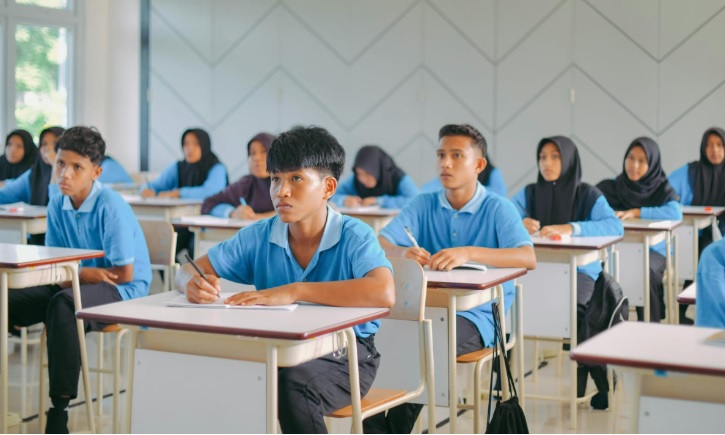
The growing use of technology in classrooms has raised two important questions: whether it helps students learn or simply distracts them, and whether it provides equal opportunities for all students or widens the gap between rich and poor schools. Although technology can distract students and deepen inequality, its ability to personalize learning and expand access to information clearly makes it a valuable tool as long as it is used thoughtfully and fairly.
On one hand, technology undoubtedly offers real benefits for students. Adaptive learning programs, for instance, can adjust to each student’s pace and skill level, allowing them to learn in a way that suits them individually. Furthermore, free online resources give students in low-income schools access to the same quality of information as those in wealthier ones. Consequently, technology may help level the playing field for students who have historically had fewer opportunities.
On the other hand, technology also presents real challenges that should not be overlooked. Phones and apps are clearly designed to capture attention, which can make it difficult for students to stay focused in class. Moreover, many schools in poorer areas still lack reliable internet and proper equipment. As a result, it is possible that technology, without adequate support, could actually widen the very gaps it promises to close.
In conclusion, technology is undoubtedly a powerful educational tool. However, it is only as effective as the system behind it. Therefore, without fair access and clear guidelines, it may ultimately do more harm than good.
Authors
Ezi Prananda, Muhammad Afdhal, Multazam Haris, Yoga Aris Setiawan, and T.M. Izzatur Muksalmima
Students of the English Language Education Department, Syiah Kuala University, Banda Aceh, Indonesia